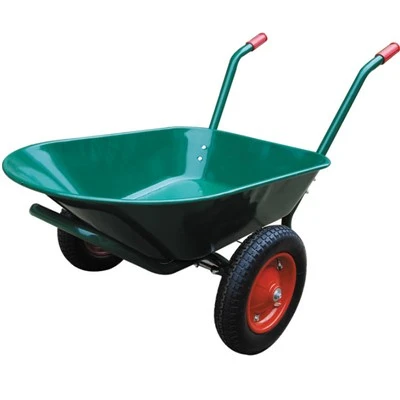
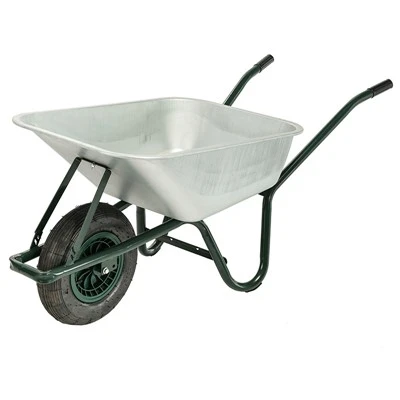
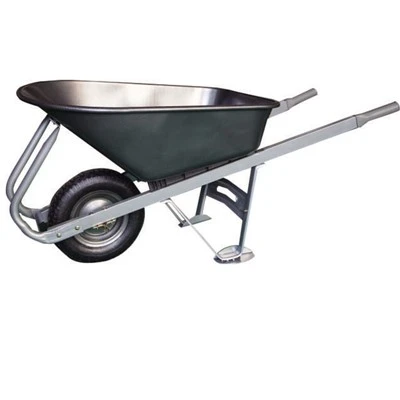
Based on the characteristics and suitable scenarios of different handcart materials mentioned earlier, you can judge the quality of the material from the following dimensions:
Basic Material Verification
Metal Handcarts: Confirm the thickness of the steel/stainless steel sheet. Thickened cold-rolled steel plates and 304 stainless steel are far more durable than thin sheet metal. The surface should have a uniform anti-rust coating, without paint peeling or rust spots.
Plastic Handcarts: Prioritize confirming that it is made of high-density polyethylene (HDPE) or polypropylene (PP). These materials have stronger impact resistance and corrosion resistance. Avoid choosing models made of cheap recycled plastic.
Aluminum Alloy Handcarts: Check the thickness of the profile wall. High-quality aluminum alloy will not show obvious thinning and deformation, and the surface oxide layer should be uniform and free of scratches.
Detailed Workmanship Inspection
Metal parts should have uniform welds without cracks. Connectors should use high-quality screws or rivets, without loosening or incomplete welding.
Plastic parts should be observed for overall density. Thicker, denser materials are more durable. The surface should not have obvious bubbles, missing materials, or other workmanship defects.
The anti-slip rubber pads and anti-rust coatings on the metal surface must be firmly adhered without any lifting or peeling.
Scene Adaptability Verification: Verify the rated load-bearing capacity of the product. During actual load-bearing testing, a high-quality handcart should not show significant deformation. It is recommended to allow for a 30% load-bearing margin for daily use.
Verify adaptability based on the usage environment: Metal materials should not rust easily in humid environments, and plastic materials should not corrode or crack in environments involving contact with chemicals.